
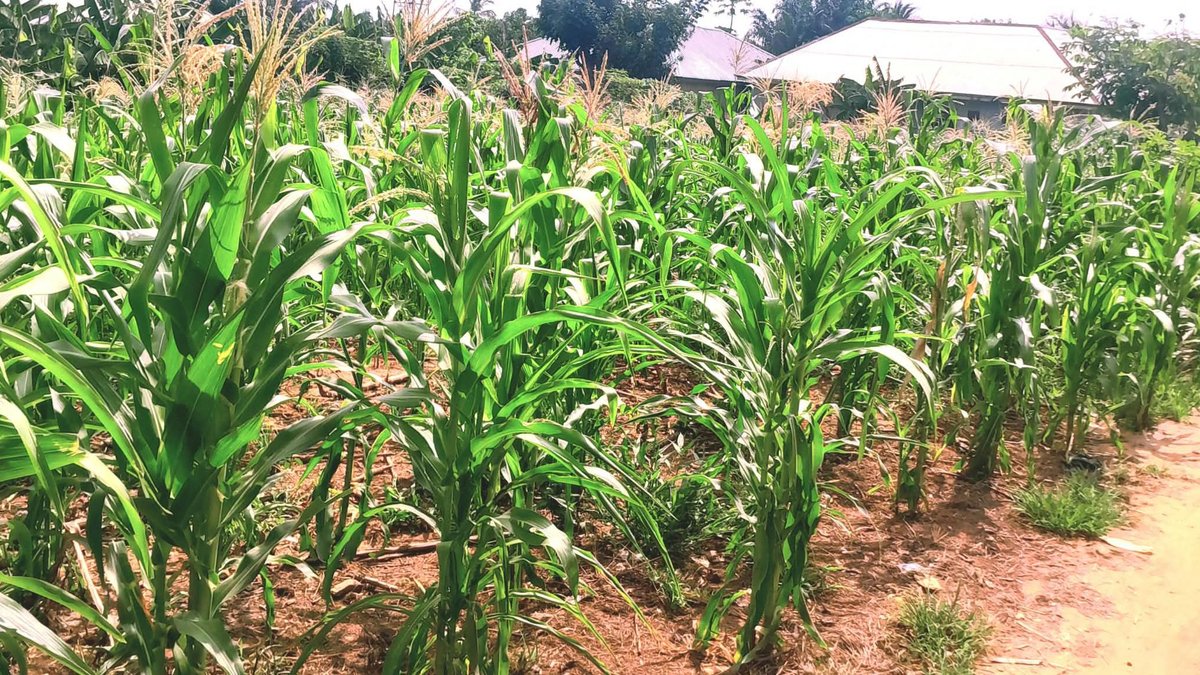
The heat over Korley Tetteh’s cassava and maize fields in Korm, Yilo Krobo Municipality, has turned the soil into dust. His crops wither under the sun, not because of ignorance but because of water shortages—and the cost of pumping it.
Tetteh’s situation highlights a worsening challenge for smallholder farmers across the Krobo region, where meteorologists have projected a 96% chance of a strong El Niño event between November 2026 and January 2027. This climate pattern, driven by Pacific Ocean warming, disrupts global rainfall. In Ghana, it threatens erratic showers, extended dry periods, and crop failures for farmers who depend almost entirely on seasonal rains.
El Niño’s effects differ by location, but for Ghana’s farmers, the risks are clear: disrupted planting cycles, stunted growth, and harvest losses. The Ministry of Food and Agriculture (MoFA) acknowledged these dangers in early November, announcing a national response plan in partnership with the Ghana Meteorological Agency (GMet). While specifics are still developing, officials stress education and adaptation over quick infrastructure fixes.
Read Also: Africa Needs $120 Billion Annually for Climate Adaptation
In Yilo Krobo, Municipal Agriculture Director Benjamin Alabi is urging farmers to adopt soil-moisture retention methods. Techniques like mulching, covering soil with organic materials, help preserve water, while slash-and-no-burn practices reduce erosion. Early-maturing, drought-resistant maize varieties could also minimize losses during dry spells. Yet Alabi acknowledges the core issue: most farmers cannot afford irrigation equipment, even when they recognize the need.
Maize is especially vulnerable. During critical stages like tasselling and cob formation, water shortages can destroy yields. Alabi’s department promotes hermetic storage bags for harvested grains and encourages diversification, raising livestock such as goats, poultry, or rabbits to offset agricultural risks. However, these measures offer limited protection against prolonged drought. He pointed to past successes like the free fertilizer programs of 2023 and 2024 as models for recovery.
In Lower Manya Krobo, Director of Agriculture Kwabena Glante is pursuing a similar strategy: educating farmers about El Niño risks and promoting drought-resistant crops like Opebro maize and black-eyed cowpea. His team advises water harvesting, mulching, and zero tillage, but Glante admits irrigation access is limited outside the Kpong Irrigation Scheme, which currently serves only rice farmers in Akuse.
Read Also: Accountant John Marshall dies after decades shaping Cowgills
For Godwin Dodzi, a farmer in Kpong, the gap between advice and action is evident. His concerns echo Tetteh’s: affordable loans from the Agricultural Development Bank and repurposed equipment, such as water-pumping machines confiscated from illegal miners, could change the outlook. Without these, El Niño’s arrival risks worsening food shortages.
The GMet’s November forecast indicates normal-to-below-normal rainfall across much of Ghana, with some forest and transition zones receiving slightly higher precipitation. This inconsistency highlights why localized weather data is essential. For farmers in Yilo Krobo, Lower Manya Krobo, and Asuogyaman, where maize, cassava, and vegetables are staples, preparation demands more than awareness. It requires affordable irrigation, drought-resistant seeds, and reliable supplies.


Leave a Reply