
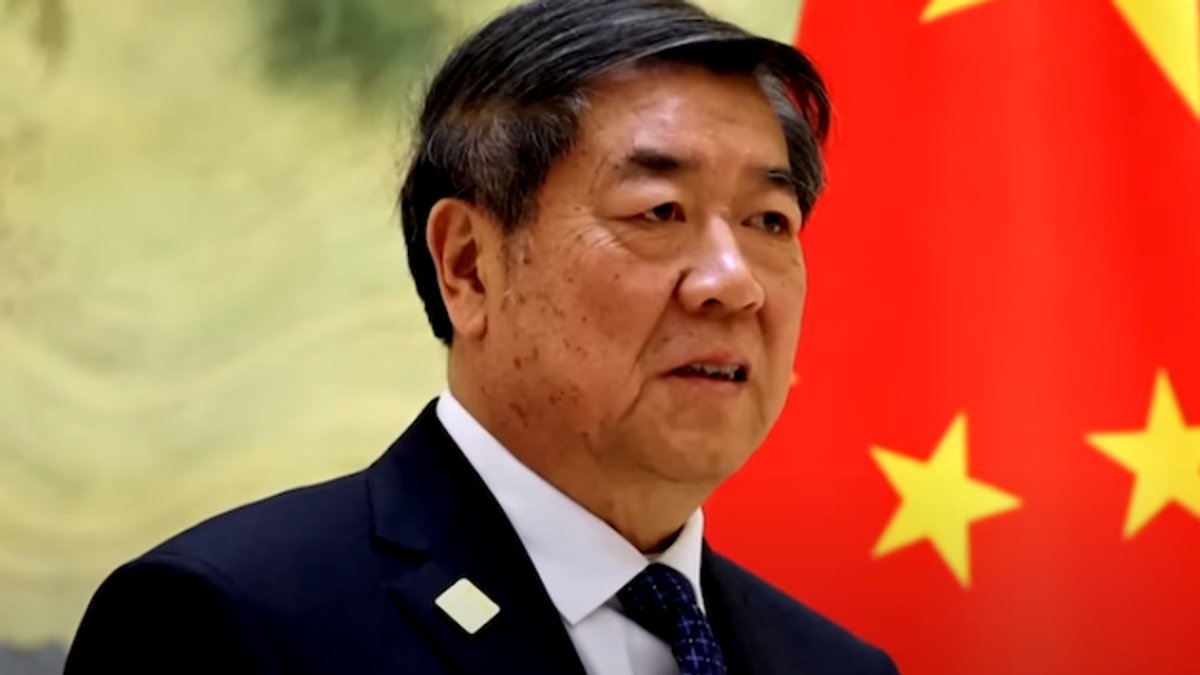
China tightened drone export controls and blacklisted seven American companies this week in response to U.S. trade sanctions.
The Commerce Ministry announced Wednesday that all drone shipments to the U.S. would undergo strict case-by-case review, citing national security. The decision follows last week’s U.S. tariffs targeting China and 59 other countries over forced labor allegations, particularly in Xinjiang, where human rights groups document abuses against Uyghur Muslims.
Export controls and blacklisted firms
The ministry described the U.S. actions as a violation of China’s rights, justifying the countermeasures. Alongside drone restrictions, Beijing suspended factory inspections by Chinese certification bodies, blocked U.S. compliance testing firms, and launched security probes into office printer and copier imports.
Six U.S. companies were added to China’s sanctions list, including biotech firm Applied DNA Sciences and geoscience research company Stratum Reservoir. A seventh, Compliance Testing, was also blacklisted for allegedly supporting U.S. sanctions related to Xinjiang. The ministry barred Chinese entities from cooperating with these firms, calling their actions unacceptable.
Related: Samsung Shares Fall Amid Typhoon Disruptions
Trade official He Lifeng expressed concern to U.S. Trade Representative Jamieson Greer in a call this week, according to state media. The restrictions align with broader U.S. efforts to limit Chinese technology, including a recent ban on imports of humanoid and quadruped robots manufactured abroad.
Trade disputes between the nations are not new. The latest U.S. measures have reignited tensions, with Beijing warning against further escalation.
Such restrictions often extend beyond their immediate targets, disrupting supply chains and global markets. Drones represent a key sector for China, with companies like DJI leading the commercial market. The U.S. has already prohibited federal agencies from using Chinese-made drones over security concerns.
The blacklisted firms now face major challenges in one of the world’s largest markets. Applied DNA Sciences, which provides DNA-based supply chain security, has worked with U.S. agencies on counterfeit prevention. Stratum Reservoir, specializing in geoscience, operates in energy and mining sectors dependent on global partnerships. Their inclusion on the list may force operational changes in the region.
Related: XRP gains momentum as SEC lawsuit hopes rise
The trade dispute shows no signs of resolution. The U.S. frames its tariffs as a response to human rights violations, while China dismisses the allegations as politically driven. With both sides entrenched, the risk of further retaliation—through tariffs, export bans, or investment restrictions—remains significant.
For now, the impact is confined to targeted sectors. If the pattern continues, industries from technology to manufacturing could face new barriers, complicating efforts to stabilize global supply chains. The drone restrictions, in particular, may force U.S. companies reliant on Chinese components to find alternative suppliers or accelerate domestic production.
The Commerce Ministry did not specify how long the controls would remain. Analysts suggest the move aims to demonstrate resolve while avoiding a full rupture. The response appears measured, though the long-term effects remain uncertain.
Markets reacted cautiously to the news. Shares in affected firms dipped, while broader indices showed mixed signals.


Leave a Reply