
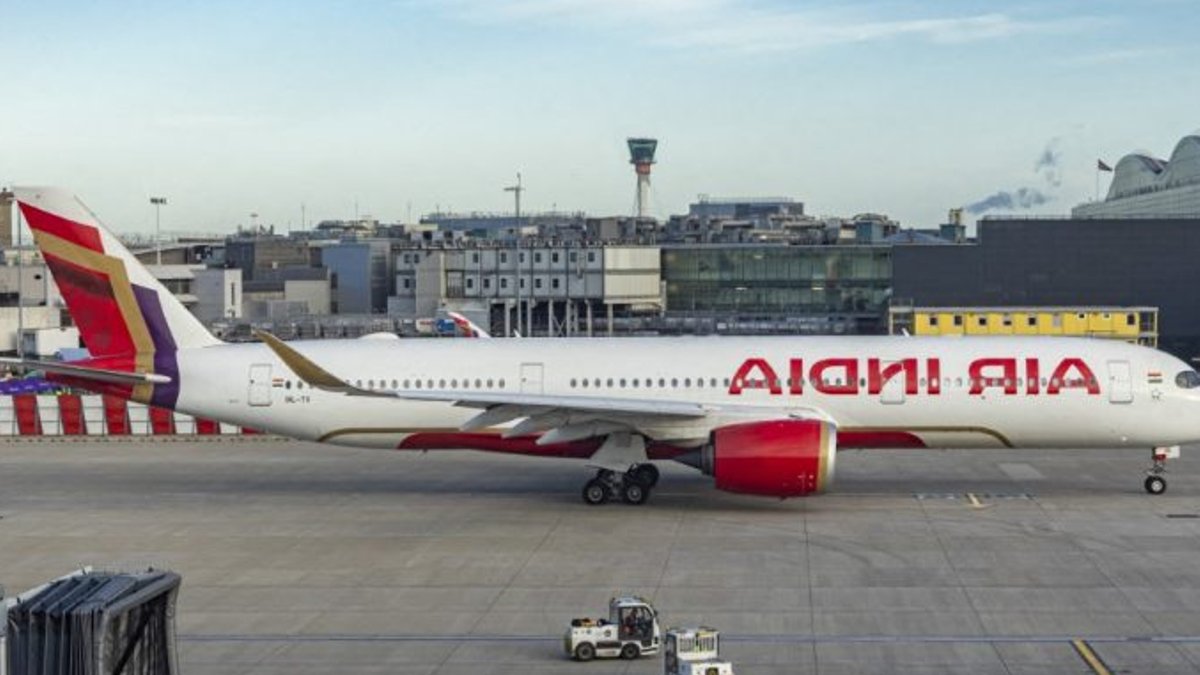
Air India announced it will screen every pilot for prohibited substances after an incident that left at least 24 passengers injured when an Airbus A320 dropped roughly 300 feet shortly after take‑off from Phuket en route to New Delhi.
Full‑crew testing follows a marijuana finding
The decision follows the aircraft’s captain testing positive for marijuana in a confirmatory test, according to an internal memo seen by reporters. The memo instructed that “all Group pilots” undergo mandatory drug screening, beginning Thursday. Existing regulations already require airlines to randomly test at least 10 percent of flight crew each year for psychoactive agents.
Local reports said the captain’s use of cannabis was the primary factor in the sudden loss of altitude. The airline had not yet received the test results, and investigators have declined to comment while reviewing the flight’s evidence. The probe is being assisted by Airbus and France’s civil aviation safety agency, the BEA.
Air India under pressure after recent setbacks
The carrier has been working to rebuild its reputation after a deadly crash of Flight 171 in June 2025, which killed all but one of the 242 people on board and 19 on the ground. In the meantime, it appointed former Ethiopian Airlines chief Tewolde Gebremariam as chief executive last week, signalling a leadership overhaul.
While the drug‑testing move addresses safety concerns, the broader picture remains uncertain. The incident highlights potential gaps in crew monitoring, and the new policy may strain resources as it expands testing beyond the minimum requirement.
Related: China’s growth architect Zhu Rongji dies at 97
If the program uncovers additional violations, further operational disruptions could follow.
Broadening testing could set a precedent for other carriers in the region, especially as airlines balance employee privacy and passenger safety. The move may also influence how airlines address substance‑use policies, prompting a review of existing protocols.
Nevertheless, the immediate impact on flight schedules appears limited.
In the short term, the expanded testing regime may deter future incidents, but it also raises questions about managing compliance without overburdening crews. Effectiveness will depend on consistent enforcement and transparent reporting.


Leave a Reply