
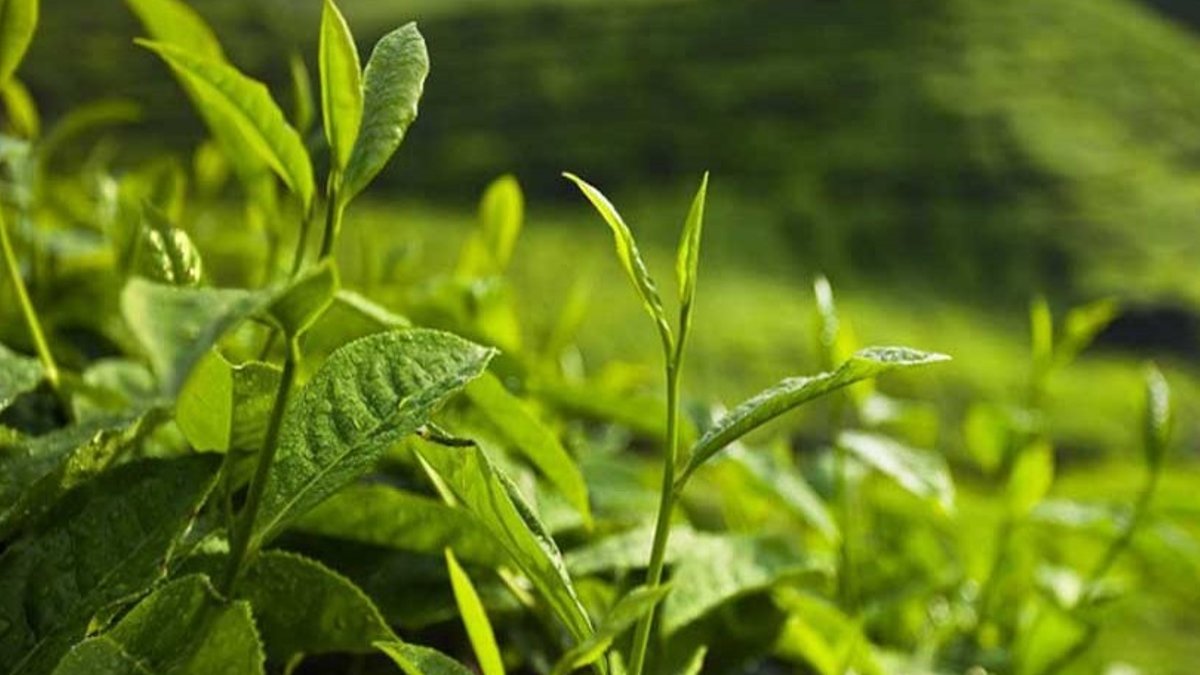
Bangladesh’s government has announced a sweeping set of reforms aimed at reviving the country’s struggling tea sector, which is grappling with aging plantations, rising costs, and increasing loan defaults. The initiative emerged during the first meeting of the Monitoring and Advisory Committee on Tea Industry Development, held at the Ministry of Commerce and chaired by Commerce Minister Khandkar Abdul Muktadir. The committee outlined plans for financial restructuring, technological upgrades, and export diversification to restore the industry’s economic stability.
Financial Relief and Sector Reforms
The committee emphasized the need for coordinated support from financial institutions and relevant ministries to make the tea industry both profitable and sustainable. Bangladesh Bank data revealed that outstanding tea-sector loans reached Tk 1,826.09 crore, with Tk 1,516.91 crore classified and Tk 214.41 crore categorized as bad loans. To address these challenges, the committee proposed rescheduling classified loans and introducing a revolving fund with a proposed interest rate of six percent.
A separate proposal seeks to allocate Tk 2,050 crore from Bangladesh Bank’s existing Tk 18,000-crore refinance scheme for cottage, micro, small, and medium enterprises, offering loans at an annual interest rate of up to seven percent. Additionally, the committee discussed lowering interest rates on tea-production loans from 13.75 percent to four percent, aligning with concessional rates available for other agricultural sectors like pulses and oilseeds.
Boosting Productivity and Export Potential
Bangladesh Tea Board Chairman Major General Md. Mesbah Uddin Ahmed stated that domestic production currently meets around 97 percent of the nation’s tea demand, leaving only three percent available for export. The board is prioritizing higher production and improved quality to satisfy local consumption before expanding overseas sales. Producers are diversifying their offerings through green, orthodox, white, and CTC black teas, while companies develop distinct brands through blending techniques.
The Bangladesh Tea Research Institute (BTRI) continues to conduct research to enhance crop yields and quality, while stakeholders receive regular training on modern production methods, blending, and export strategies. The government is also strengthening communication with foreign embassies and consulates to identify new international markets for Bangladeshi tea.
Countrywide, there are 172 tea gardens spanning 283,896 acres, with 159,059 acres actively under cultivation. Of the total area, 178,691 acres are classified as cultivable, while 159,059 acres remain under cultivation, including nurseries. Another 124,837 acres serve other purposes, and 16,928 acres remain available for future planting. Despite producing 94.93 million kg of tea in 2025, many gardens face declining productivity due to plant ages exceeding 50 to 60 years.
Related Post: Freight Costs Threaten Bangladesh’s US Exports Amid Conflict
Low replantation rates, rising labor costs, and yields trailing behind competitors like India and Sri Lanka have weakened the sector’s global competitiveness. Recognizing tea as an agricultural product could grant producers access to concessional credit, though the proposal faces resistance from the Industry Ministry, which classifies tea processing as an industrial activity under the National Industrial Policy 2022.
Solar Energy and Alternative Income Models
The committee proposed allowing tea companies to collaborate with private investors in developing commercial solar power plants on unused land unsuitable for cultivation, pending Land Ministry approval. Solar panels may also be installed on rooftops of existing garden infrastructure, offering an additional revenue stream without disrupting core operations. The proposal follows a government decision taken at a meeting chaired by the prime minister on July 26, 2026, which called for tea companies to explore joint investments with private investors.
This initiative aligns with the National Renewable Energy Development Strategy 2026-2030, which aims for a 20-percent share of renewable energy in electricity generation by 2030 and targets 4,500 megawatts of large-scale solar capacity. However, the committee emphasized the importance of preserving biodiversity and environmental integrity, particularly in tea-growing zones and haor areas.
Export Growth and Market Expansion Efforts
In 2025, Bangladesh exported 1.64 million kilograms of tea, while imports amounted to 5,000 kilograms, according to the committee report. With domestic production fulfilling nearly all local demand, the Tea Board is focusing on improving productivity and quality to free up more supply for international markets.
BTRI continues researching ways to boost yield and quality, and regular training programs are being conducted for stakeholders in modern production, blending, and export practices. These efforts aim to position Bangladeshi tea more competitively on the global stage. The national average yield stood at 1,552 kg per hectare, showing the need for targeted interventions to close the productivity gap with regional peers.


Leave a Reply