
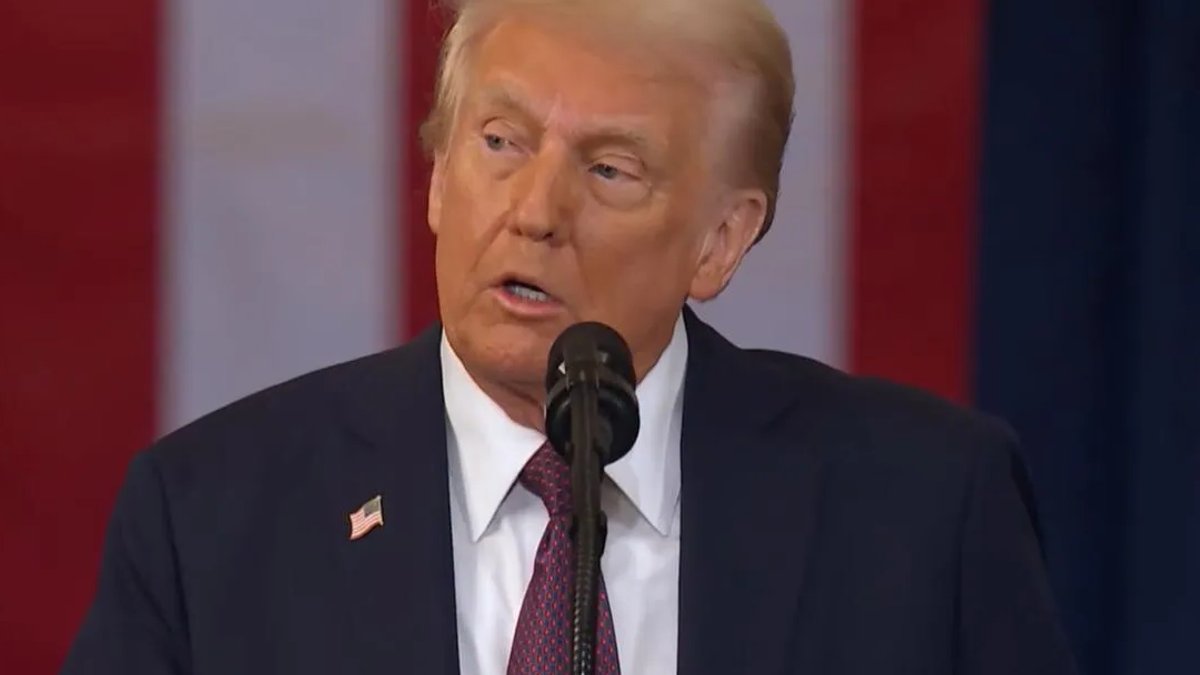
Effective Sept. 3, the United States will levy tariffs of up to 100% on imported UAVs and related parts, a move announced by Donald Trump after he signed a proclamation on Aug. 13 aimed at “addressing the national‑security threat” posed by such imports.
Proclamation details the tiered tariff structure
The proclamation sets a sliding scale based on both the size of the aircraft and its country of origin. Small‑size models will face a 25% duty, while units from the European Union, Japan, Liechtenstein, South Korea, Switzerland and Taiwan will be charged 15%. The United Kingdom receives the lowest rate, 10%, provided that all hardware, software and technology come from those nations or the United States.
At the top end, the highest duty applies to larger platforms or those equipped with capabilities the government deems “particularly sensitive for national‑security purposes.” Specifically, any UAV weighing more than 25 kilograms at takeoff or featuring thermal imaging technology will be subject to the full 100% tariff.
China’s dominance and the strategic intent
Although the White House note does not name China directly, the timing and language suggest an effort to curb the rise of Beijing‑based manufacturers that currently control an estimated 80‑90% of the global market, with DJI being the most prominent example.
Related: Google Pixel 11 brings AI photography to new heights
The new duties arrive amid a series of reciprocal actions. In early August, Chinese authorities announced export restrictions on UAVs bound for the United States and placed six firms on a blacklist, a response to Washington’s late‑July sanctions targeting advanced Chinese models.
Earlier in July, Trump also expanded tariffs on about 60 foreign nations, including the EU, to rates ranging from 10% to 12.5%, a broader push to reshape trade flows.
Customs officials will begin enforcing the schedule on Sept. 3.
For now, the United States has laid out a clear, tiered tariff regime that distinguishes between lightweight hobbyist models and heavier, capability‑rich systems, signaling a firm stance on perceived security risks tied to foreign‑made UAV technology.


Leave a Reply