
As of July 22, 2026, Bangladesh is grappling with a dual outbreak of dengue and measles, according to the Directorate General of Health Services (DGHS). The crisis has resulted in 803 measles-related deaths and 38 dengue fatalities, with both diseases disproportionately affecting vulnerable children and straining hospital resources nationwide.
Measles Outbreak Challenges Government Assurances
The measles outbreak has proven particularly stubborn, contradicting earlier assurances from the health and family welfare minister. In April 2026, he stated that a nationwide vaccination campaign would bring the situation under control by June. However, as of late July, the outbreak remains unchecked, raising questions about the government’s preparedness.
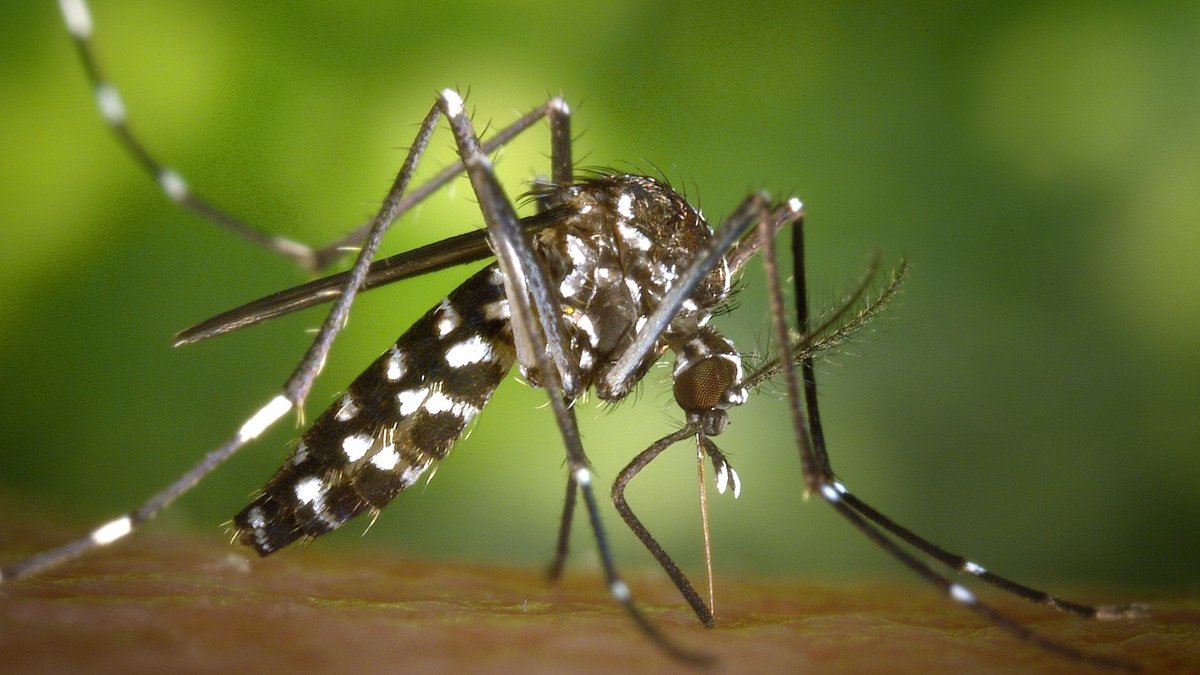
The monsoon rains have exacerbated the situation by creating stagnant water, ideal breeding grounds for the Aedes mosquito, the primary vector for dengue. This has sparked fears of a repeat of the 2023 dengue epidemic, which saw 1,705 fatalities. The disease has persisted as an ongoing epidemic, with over 100,000 cases reported annually in 2024 and 2025.
Dengue Cases Surge Amid Inadequate Prevention Measures
In 2026, dengue infections have surged past 11,500 nationwide since the year’s start, with a sharp increase in daily hospitalizations. Health experts warn of a potential spike in August and September. Despite government initiatives, including cleanliness drives, public awareness campaigns, and the establishment of the National Committee on the Prevention of Dengue and Other Mosquito-Borne Diseases, these efforts have failed to curb the rise in cases.
Read Also: Minister’s comments on IMF loans confuse officials
Hospitals have been instructed to reserve 10% of their beds for dengue patients, and the health ministry has extended free NS1 testing at public hospitals. However, the root cause, mosquito eradication, remains unaddressed. The task force has yet to propose effective methods for eliminating mosquito larvae or controlling the Aedes mosquito’s reproduction cycle.
Biological Solutions Offer Potential Amid Chemical Failures
Chemical agents have proven ineffective against the adapting mosquitoes, prompting consideration of biological alternatives. Research by icddr,b suggests that releasing mosquitoes infected with Wolbachia bacteria could reduce the Aedes mosquito’s ability to transmit dengue by 92% in lab settings.
With two epidemics simultaneously straining the healthcare system, decisive action is needed. The government must implement measures capable of addressing both measles and dengue to prevent further loss of life and alleviate the burden on healthcare resources.


Leave a Reply