
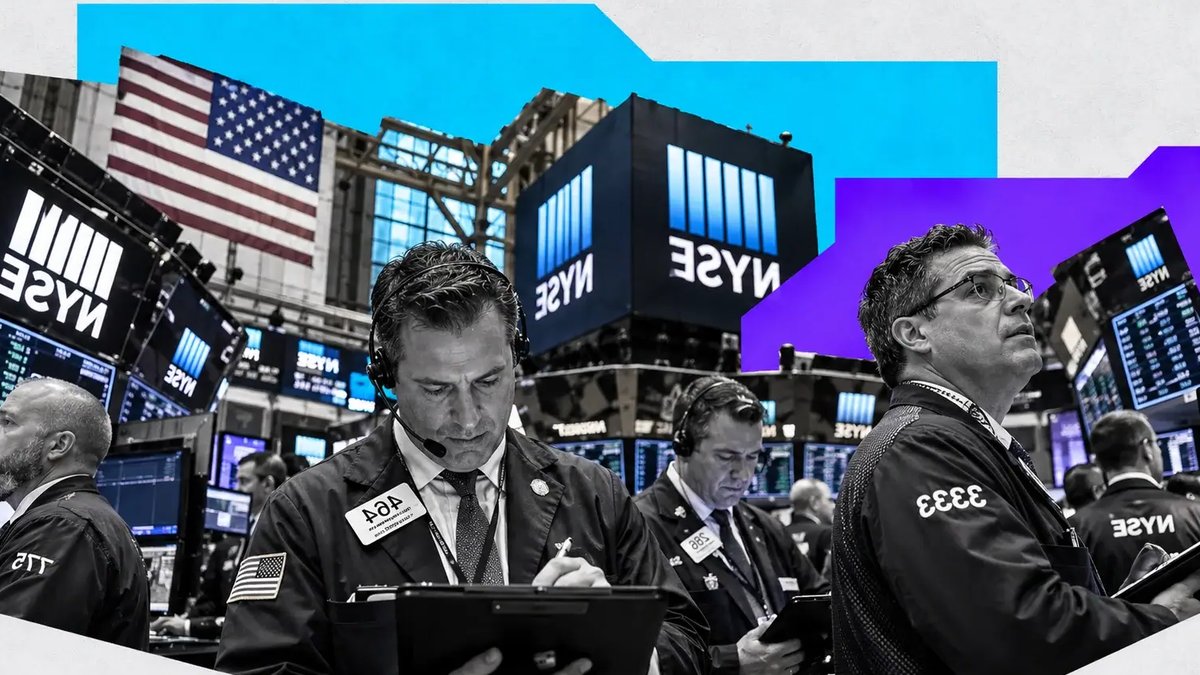
The S&P 500 dipped 0.13% to 7,627.68 on Friday, while the Dow Jones Industrial Average dropped 217.07 points, or 0.42%, to 51,560.97. The Nasdaq Composite held steady at 26,404.02, down 0.05%, and the Russell 2000 slid 0.84% to 2,850.44.
The 10-year Treasury yield rose 5 basis points to 5.004%, increasing the odds of an October Fed hike to 53.1% from 27.2%. This shift weighed on equity markets, particularly rate-sensitive sectors.
Bitcoin’s Surge Boosts Crypto-Linked Stocks
Bitcoin climbed 5.42% to $80,858, driving gains in crypto-linked equities. MicroStrategy (MSTR) jumped 11.87% to $147.95, and Robinhood (HOOD) rose 7.91% to $118.49. The SEC’s five-year exemption for tokenized stock trading, announced Thursday, fueled this rally.
The crypto sector’s gains contrasted sharply with the broader market, where only 119 of the S&P 500’s 500 members traded higher by late morning.
The S&P 500’s modest decline masked underlying weakness, as a few heavyweights offset broader losses. The index is down 1.2% from two weeks ago, with the 7,600 mark now critical for bulls.
The Nasdaq Composite’s flat performance reflected a split within the index. Gains in Amazon, Alphabet, and crypto-related stocks offset losses in Netflix, Super Micro Computer, and a biotech firm that plunged 29%.
The Dow Jones Industrial Average fell 217.07 points, following a 614-point drop on Wednesday and a partial recovery on Thursday. It now sits just 82 points above its post-Fed low.
The VIX volatility index remained subdued at 15.31, down 0.13, indicating orderly selling rather than panic, consistent with a rotation out of rate-sensitive groups.
Friday’s market action was influenced by a $7 trillion options expiration, a steelmaker’s guidance miss, a biotech collapse, and Warren Buffett’s departure from Berkshire Hathaway’s chairmanship.
The S&P 500’s 0.13% dip followed a 1.14% rebound on Thursday, highlighting the struggle to regain earlier losses.
The Nasdaq’s resilience, down just 0.05%, was driven by large-cap tech and crypto-related gains, offsetting losses in other sectors.
The Dow’s 217-point decline concentrated the market’s pain, giving back more than two-thirds of Thursday’s recovery.
The Russell 2000’s 0.84% loss extended its weak performance, trailing the Nasdaq by 0.79 percentage points. Small caps’ sensitivity to rates and debt levels makes them vulnerable in the current environment.
However, the crypto sector remains risky. Many stocks are 30-60% below year-ago levels, and the rally could reverse if bitcoin loses ground over the weekend.
Bond Market’s Influence on Equities
The 30-year yield also rose, climbing over 3 basis points to 5.333%, maintaining a 33-basis-point premium over the 10-year. This rapid increase in yields affects mortgage rates, corporate borrowing costs, and the discount rate for growth stocks.
Market Volatility Amid Fed Hike and Bond Yield Surge
The Federal Reserve’s recent 25-basis-point rate hike to a 3.75%-4.00% target range, coupled with a 10-year Treasury yield climbing to 5.004%, intensified pressure on equities.
Global Central Bank Tightening
Global central bank tightening added to the pressure on U.S. yields. With the European Central Bank, Bank of Japan, and Bank of England adjusting policies, there was no offshore demand to cap U.S. yields. This global duration trade contributed to rising Treasury yields.
The Bank of Japan’s rate increase to 1.25% introduced additional risk. Historically, tighter Japanese policy has unwound the yen carry trade, potentially leading to capital outflows from U.S. assets, including Treasuries and equities, at a critical time.
August’s industrial production data missed expectations, complicating the Fed’s growth narrative. The flat reading and a 0.3% drop in manufacturing output raised concerns about earnings for industrials and materials.


Leave a Reply