
The USD/JPY currency pair traded at 154.15, up 0.40% on Thursday, after hitting a six-month low of 152.89 earlier in the week. It remains 359 pips below its 20-day EMA of 157.23, with an RSI of 25.76.
The Japanese yen has seen a significant reversal, strengthening 3.71% over the past month, despite being 4.18% weaker year-over-year. This shift comes after the yen hit a 40-year low in July, only to rebound to its strongest level since February by early September.
Central Banks in Focus: A 48-Hour Tightening Window
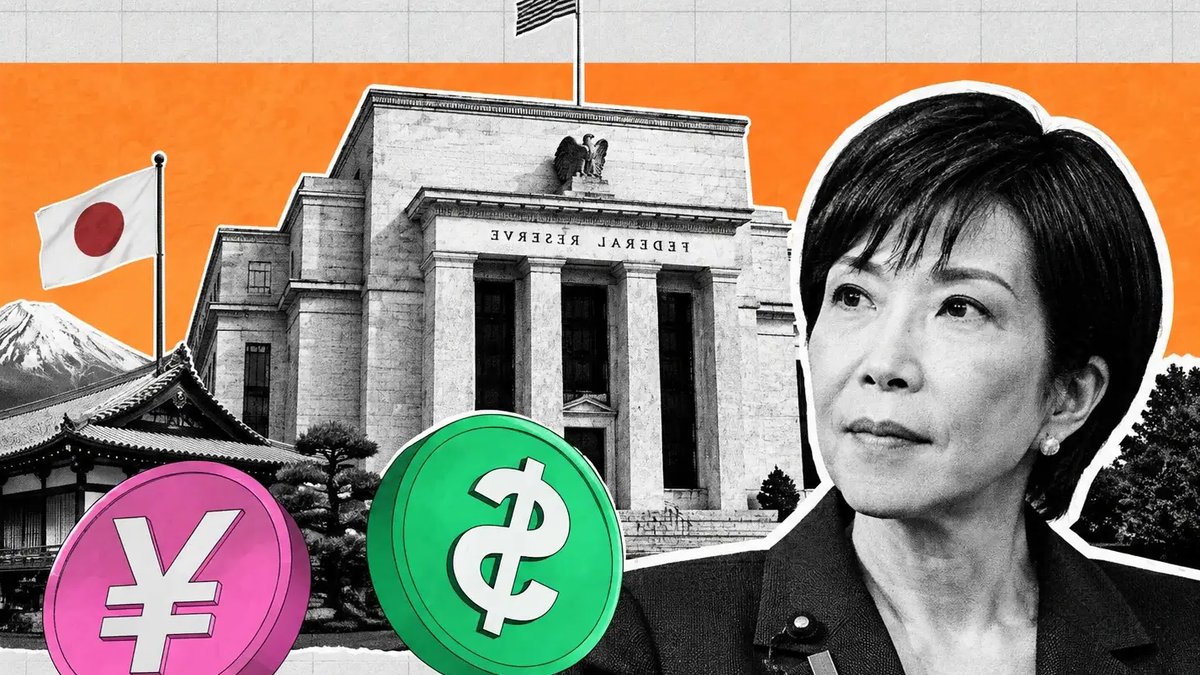
Next week, the Federal Reserve and the Bank of Japan will hold meetings within 48 hours of each other, both expected to tighten monetary policy.
The BoJ’s move is particularly significant, marking a continuation of its normalization path, which began in March 2024 with the end of yield curve control. It has since raised rates from -0.1% to the current 1.00%, with the market now pricing in a further increase.
For traders, the risk is asymmetric. A 25-basis-point hike is already priced in, meaning any deviation or dovish guidance could trigger a sharp yen reversal. This is especially true given the unwinding of carry trades, expectations of capital repatriation into Japan, and growing U.S. political pressure for Japan to support the yen through tighter policy.
The yen’s recent strength is also supported by a shift in Japanese politics. Prime Minister Sanae Takaichi, initially seen as dovish, has adopted a more hawkish stance, acknowledging the need to limit excessive yen weakness. This change removes a key constraint on BoJ normalization, as the government now views yen weakness as an economic problem rather than an export advantage.
The U.S. Treasury Secretary recently cautioned traders against betting on a weaker yen, signaling that Washington considers yen weakness a policy issue. This implies coordination with Japanese authorities.
As the Fed and BoJ meetings approach, the USD/JPY pair is caught between tightening expectations and broader market forces driving the yen’s reversal. The outcome of these meetings will determine the pair’s next move, with potential scenarios ranging from holding current levels to a rapid decline toward 150.
Read Also: Ripple’s XRP struggles despite regulatory wins and stablecoin rise
The Policy Spread: A Narrowing Differential
The policy spread between the U.S. and Japan has been narrowing throughout the year, reflected in the pair’s inability to hold above 154.50, despite a 5.4% U.S. inflation print.
As of Thursday, the pair remains within 130 pips of its six-month low, with traders closely watching the upcoming central bank meetings for direction.
Market Movements and Technical Indicators
This recovery was driven by August producer prices rising 5.4% year over year, surpassing the 5.3% forecast and accelerating from a revised 4.8% in July. Core PPI also increased by 4.6% annually, matching expectations and rising from a revised 4.3%.
Despite this bounce, the pair remains 359 pips below its 20-day EMA of 157.23, with an RSI of 25.76, indicating oversold conditions. The dollar index recovered from an intraday low of 98.71 to 99.10, while the benchmark 10-year Treasury yield climbed toward 4.90%, its highest since November 2023. The yen gained 0.51% against the dollar, outperforming other major currencies like the Australian and New Zealand dollars.
Historical Context and Policy Shifts
The yen’s reversal from a 40-year low in July to a seven-month high in September is one of 2026’s most significant currency moves. The yen has gained 3.71% over the past month, though it remains 4.18% weaker year-over-year.
The BoJ’s normalization, starting in March 2024 with the end of yield curve control, has been a key driver. Rates have risen from -0.1% to 1.00%, with a 25-basis-point hike to 1.25% fully priced for the September 17–18 meeting. Markets anticipate a follow-up hike in December, supported by revised growth figures and strong wage gains. This tightening, along with quantitative measures, has reinforced the yen’s strength.
The U.S. Treasury Secretary’s warning against betting on a weaker yen highlights coordinated efforts to support the currency. This soft intervention has increased risks for carry positions, contributing to the yen’s resilience.
Prime Minister Sanae Takaichi’s shift to a hawkish stance has been key. Initially favoring a weaker yen for exports, her administration now recognizes the challenges of yen weakness, especially with high domestic inflation and energy costs. This allows the BoJ to pursue a more independent policy.


Leave a Reply