
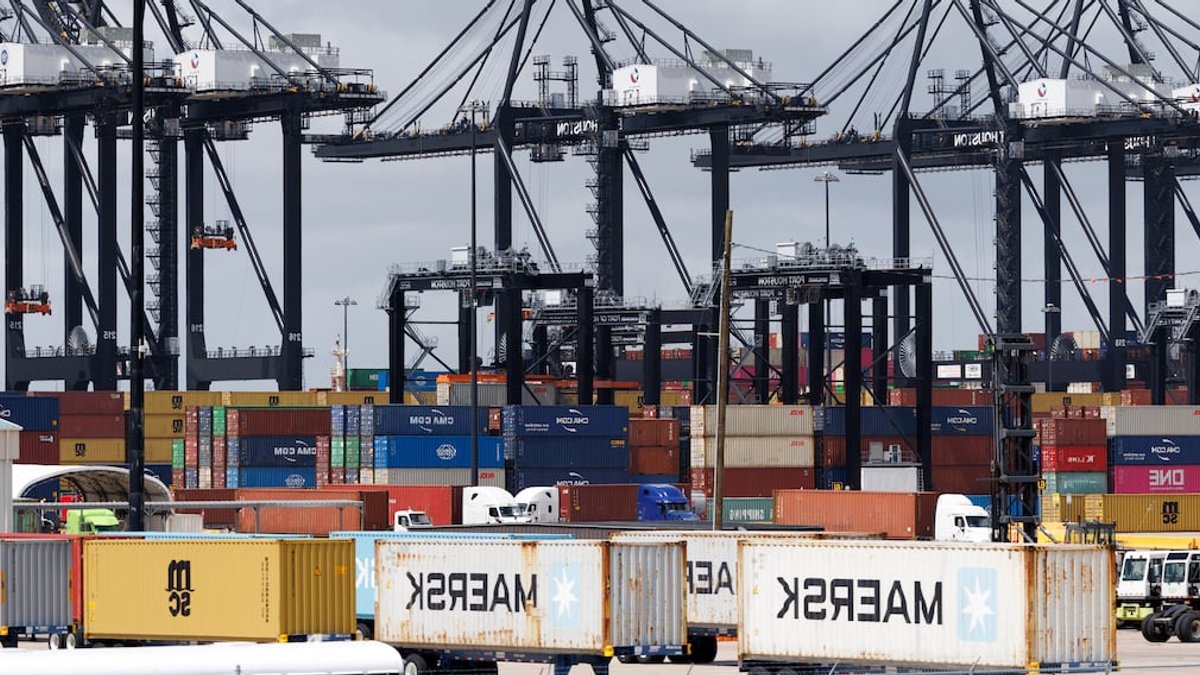
Mexico has implemented new tariffs to align with United States trade priorities, aiming to reduce Asian imports and prevent the country from serving as a gateway for goods bound for North America. The measures, which took effect at the end of 2025, target countries without active free trade agreements, specifically focusing on China.
Data from the Ministry of Economy shows imports of the 1,463 tariff lines from countries without a treaty dropped 23.2 percent between January and May this year. The reduction was driven largely by a 28.4 percent decrease in purchases from China, which fell from $10.9 billion to $7.2 billion.
Of the total $3.5 billion reduction in these specific imports, 80 percent came from China. South Korea saw a 21.9 percent drop, while Taiwan recorded a 32.7 percent decline in imports.
The economic package for 2026 introduced the Strategic Industries Protection Program. This initiative, approved by Congress, imposed average tariffs of 35 percent and maximums of up to 50 percent on goods from non-treaty countries.
Previously, vehicles from Asia faced a 20 percent tariff, which has now increased to 50 percent. These tariffs cover less than 10 percent of Mexico’s total imports but have impacted sectors dependent on Asian inputs, including the automotive, auto parts, textile, steel, and appliance industries.
The application of these duties has proven effective at the border, altering trade flows in a way that supports the broader economic strategy. By raising the cost of entry for goods from nations like China, the policy creates a buffer against external price shocks and encourages domestic production.
This shift represents a calculated move by Mexican authorities to secure supply chains in a volatile global environment. The strategy forces importers to either absorb the higher costs or shift production to locations with lower duties, effectively reshaping the regional supply network to better serve the North American market.
Analysts note that while consumer prices have not yet reflected the full impact of the tariffs, the policy is already restructuring trade relationships. The significant drop in Chinese imports suggests that companies are adapting their logistics and sourcing models to comply with the new trade regime.
Implementing these trade barriers has successfully redirected merchandise away from Asian exporters. The specific targets of this policy are nations without existing trade accords, forcing a re-evaluation of supply chains.
Officials argue that the protection of domestic industries is vital for long-term stability. By shielding key sectors from foreign competition, the government seeks to support growth in local manufacturing capabilities.
Asian imports have faced significant headwinds as the country enforces stricter customs regulations. The reduction in goods entering the country signals a successful pivot in trade policy.


Leave a Reply