
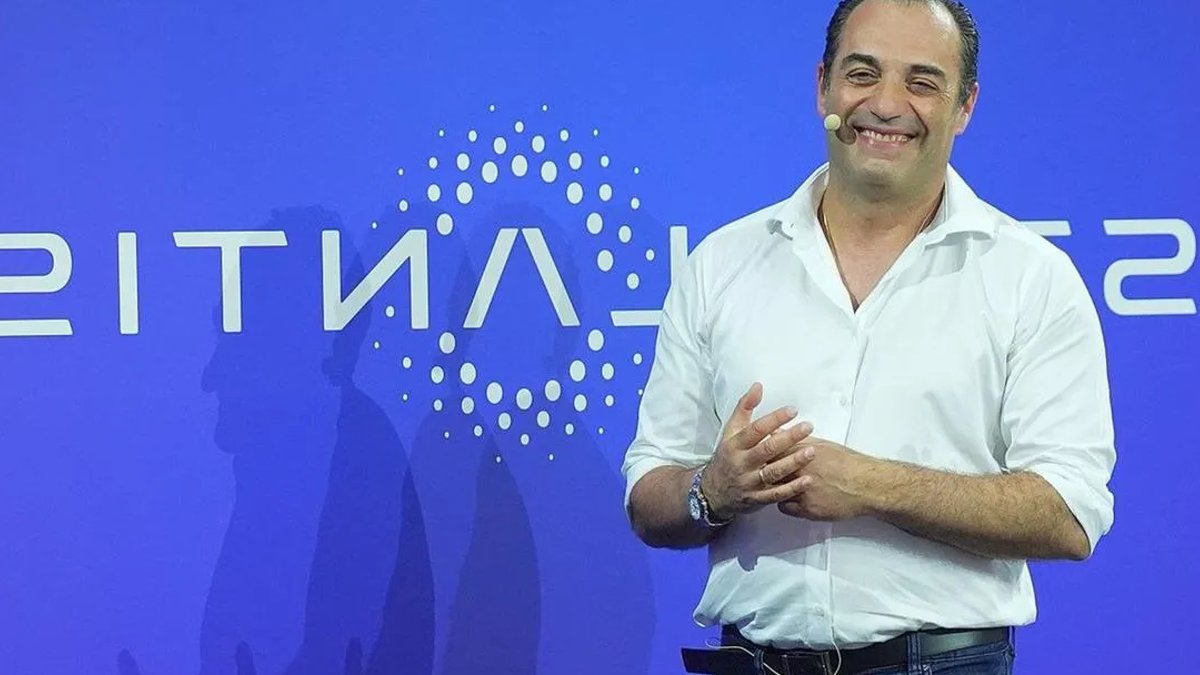
Stellantis is betting that partnerships with Chinese automakers can help the company climb out of one of the toughest stretches in its brief history. The automaker, formed in 2021 from the merger of Fiat Chrysler and PSA Group, has been working to reverse mounting losses and a collapsing stock price through a mix of new products and unexpected alliances.
Stock slump and new leadership
Shares hit a historic low of €4.38 in Milan on August 18, cutting the value of Exor’s 15.5% stake to roughly €2 billion. That moment showed how far Stellantis has fallen since Carlos Tavares stepped down and Antonio Filosa took over as chief executive about a year ago. Filosa inherited a company grappling with the fallout from an aggressive electric vehicle push that proved ahead of consumer demand.
In February, Stellantis recorded €22.2 billion in write-downs and extraordinary charges tied to a strategic reset. The company acknowledged it had overestimated how quickly buyers would abandon internal combustion and hybrid engines. The admission marked a sharp pivot from the previous direction.
Related: FTSE MIB Stays Flat Amid Market Uncertainty
FaSTLAne 2030 and the North American gamble
Filosa’s first major response came in May with FaSTLAne 2030, a five-year industrial plan backed by more than €60 billion in investments. Roughly 70% of that capital will flow into Jeep, Ram, Peugeot, Fiat, and Pro One brands. The market has yet to react with enthusiasm, and the August low shows investor confidence remains shallow. Early signs of recovery have appeared in sales and revenue figures, though analysts expect it will take more time before the plan’s effects become visible.
Winning back profitability in North America is essential. The United States, where the CEO oversees operations, remains one of the company’s strongest bases. Stellantis committed $13 billion in investment there—the largest in the group’s century-long history in the country. Yet the political environment complicates matters. Trump administration policies on emissions and electric vehicles have been volatile, which has created both opportunities and risks for a company that miscalculated its EV strategy. Trade tensions with Mexico and Canada pose additional concerns given how integrated Stellantis’s supply chain and production are across North America.
Chinese partnerships and European overcapacity
It is in Europe where Filosa is pursuing a strategy that sets Stellantis apart from most major Western automakers. Rather than simply competing against Chinese brands threatening to capture market share, Stellantis has turned some rivals into partners. The approach targets two issues at once: gaining faster access to Chinese technology and cost structures while putting idle European factories back to work.
Related: Desire Holding Targets 30 Million in Revenue by 2026
The most advanced example involves Leapmotor. Stellantis holds a stake in the Chinese manufacturer and controls 51% of Leapmotor International. A facility in Zaragoza, Spain is slated to produce the B10 and additional models, while future Leapmotor vehicles bound for European and global markets have been assigned to Villaverde near Madrid. The Spanish plant could eventually transfer to the local subsidiary of the joint venture.
The same model is expanding to Dongfeng, a longtime Stellantis partner in China. The two companies will form a European joint venture also controlled 51% by Filosa’s group, with Rennes, France identified as the site for manufacturing electrified vehicles under the premium brand Voyah.
Could the strategy extend to Italy?
Filosa reinforced this week in France that closing plants is not the only answer to unused capacity. Partnerships can bring volumes back to production lines. The approach may not stop there. Maserati is evaluating potential industrial partners, including Chinese ones, as part of a broader revival plan that could also affect Cassino, one of the Italian plants hardest hit by the downturn. At Pomigliano, a new E-Car family of affordable electric vehicles developed with selected technology partners is scheduled to begin production in 2028. Stellantis has not disclosed the partner’s name, but outside collaboration—almost certainly Chinese—is already part of the project.
Related: China retaliates with US firm blacklist
For workers and communities tied to these facilities, the stakes are tangible. If the partnership model succeeds, it could mean keeping plants running and preserving jobs that might otherwise disappear as European factories struggle with excess capacity. If it fails, the consequences will be felt far beyond boardrooms and balance sheets.
Stellantis needs to show it can open its factories and supply chain to Chinese partners without handing over the European market in return. The company aims to use that expertise to cut costs, boost competitiveness, and fill production lines. Whether this approach becomes a template for other European automakers facing the same relentless pressure from Chinese competitors will depend largely on how well Filosa’s gamble plays out in the months ahead.


Leave a Reply