
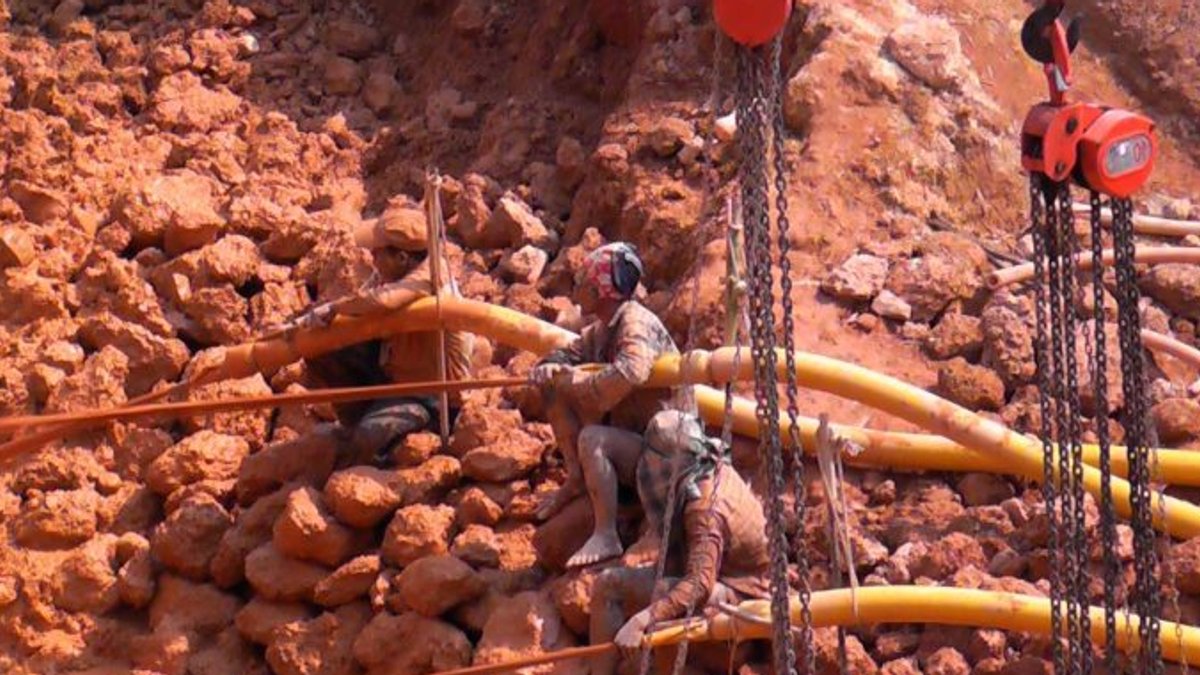
Citizens in northern Thailand are enduring an environmental catastrophe from the ballooning number of gold and rare earth mines in eastern Myanmar. A boom in unregulated mining in Shan State – most reportedly set up by Chinese companies because of bans in their homeland – have polluted rivers that flow into northern Thailand with heavy metals, a <strong><a href="https://www.fccthai.com/event/troubled-waters-tackling-transboundary-river-pollution-in-southeast-asia">forum on transboundary pollution</a></strong> featuring a Thai senator, a UN representative and a local activist warned. They said toxic pollution from the <strong><a href="https://www.stimson.org/event/testing-the-waters-unregulated-mining-in-the-mekong-region/">more than 2,000 mines</a></strong> threatens the health and livelihood of tens of thousands of citizens, farmers, fishermen and hilltribe people in Chiang Rai, Chiang Mai and other parts of the north. <h3>ALSO SEE: <a href="https://www.asiafinancial.com/china-factory-activity-falls-eu-hits-temu-after-raids">China Factory Activity Falls, EU Hits Temu After Raids</a></h3> <strong><a href="https://www.youtube.com/watch?v=c5FnTM5K2Lk">Thai officials have been monitoring the crisis for months</a></strong> and confirmed the presence of high levels of heavy metals such as cyanide, arsenic and mercury in tributaries that flow into the Mekong, such as the Kok and Sai-Ruak rivers. Other major rivers in Myanmar, such as the Irrawaddy and Salween, have had similar problems from <strong><a href="https://www.asiafinancial.com/china-rare-earth-miners-poisoning-northern-myanmar-report">rare earth mines in northern Kachin State</a></strong>, although the health risks in other areas are less clearly defined because of the civil war that has raged in that part of the country since February 2021. <h2>'Humanitarian emergency'</h2> Pichamon Yeophantong, a member of the United Nations' working group on business and human rights, who recently visited the north last week to assess developments, said the industrial pollution from the mines in Shan state had created a "humanitarian emergency". Speaking at the Foreign Correspondents Club in Bangkok, she said the crisis had created disastrous impacts on citizens in the Thai north, particularly on elderly, young and indigenous citizens. "Populations are being forced to endure unsafe health situations," she said, noting that the crisis was linked to the country's 'shadow economy' and "threatens Thailand's health and security systems". But the mining was also forcing people from Shan state to migrate into Thailand because of the health risks to local water systems. Pichamon said impacts of the mining had been known since mid-2025, but there was a need for urgent cooperation from both Myanmar and China to counter the crisis, particularly as Myanmar President Min Aung Hlaing will be in Bangkok late this week. <img class="wp-image-111494 size-medium" src="https://www.asiafinancial.com/wp-content/uploads/2026/08/Thailand-Myanmar-talks-300×214.jpg" alt="" width="300" height="214" /> Myanmar president Min Aung Hlaing is due to visit Bangkok this week. "This must be declared a disaster and transparency must be assured as well. It is a disaster at multiple levels – farmers, fishers and communities are collapsing because their food and water security is imperilled." "China must hold its own companies accountable." <h2>'Criminal impacts from energy transition'</h2> <p>Sor Rattanamanee Polkla, a lawyer who heads the Community Resource Centre in Bangkok, said the crisis was linked to the transition to green energy, which had ramped up demand for critical minerals and rare earths all around the world. "The energy transition has become a ‘green’ crime," she said. And with heavy metals and other pollutants flowing into the Mekong, she expected Laos, Cambodia, and Vietnam will also be affected in the near future. "All the miners are from China," but she said not all the minerals were going directly back there.
Chinese companies have reportedly been planning to do mineral processing in Kanchanaburi, and their alleged rush to build a factory without undergoing proper approval processes led to a protest yesterday by several thousand citizens at a site several hours west of Bangkok. Some mining companies were also allegedly importing chemicals from Thailand and China, and she feared other countries, such as Australia and nations in Europe, could be drawn into the supply chain. She and other speakers feared this issue will be too tough for its prime minister, Anutin Charnvirakul, who has won fame in recent months for his "musical diplomacy" – singing and playing musical instruments on trips to Beijing and other neighbouring states.
"If we know the names of the Chinese companies, we can fight against them. We can bring a case against them to a Thai court," but that was a difficult process, particularly if Thai officials failed to assist them. So the Thai government must ensure there is public participation, Sor said.
Related: AI Safety Concerns Spark Global Debate
Senator Norasate Prachayakorn, chair of the political development committee, said the companies responsible for the pollution from mines in Myanmar should be made to pay for problems they cause in Thailand. But he was not optimistic, as Thailand and Myanmar had failed over the past two years to reach an agreement on joint monitoring of water pollution. Norasate did not expect terms of reference for such a deal to be reached this week and worried that a confidentiality clause would prevent the release of information. But he said: "People have the right to know about dangers to their health," and the river pollution was a "public health emergency."
"We should allow these minerals to be imported into the country. The PM is a good singer and plays a lot of musical instruments, but we’ve never seen him get this kind of solution." China, meanwhile, had guidelines for their own pollution problems, "but when it comes to overseas .. this kind of safeguarding is kind of missing," Norasate said. "I think the public wants the [Thai] government to have determination to address this issue… it’s their responsibility."
For Sor, the legal activist, the Thai government "must have the guts to speak directly to the Chinese. They must help shut the mines immediately."
Related: Commodity Boom is Just Getting Started
‘The companies should pay’
<h3>ALSO SEE: <a href="https://www.asiafinancial.com/china-factory-activity-falls-eu-hits-temu-after-raids">China Factory Activity Falls, EU Hits Temu After Raids</a></h3> <strong><a href="https://www.youtube.com/watch?v=c5FnTM5K2Lk">Thai officials have been monitoring the crisis for months</a></strong> and confirmed the presence of high levels of heavy metals such as cyanide, arsenic and mercury in tributaries that flow into the Mekong, such as the Kok and Sai-Ruak rivers. Other major rivers in Myanmar, such as the Irrawaddy and Salween, have had similar problems from <strong><a href="https://www.asiafinancial.com/china-rare-earth-miners-poisoning-northern-myanmar-report">rare earth mines in northern Kachin State</a></strong>, although the health risks in other areas are less clearly defined because of the civil war that has raged in that part of the country since February 2021. <h2>'Humanitarian emergency'</h2> Pichamon Yeophantong, a member of the United Nations' working group on business and human rights, who recently visited the north last week to assess developments, said the industrial pollution from the mines in Shan state had created a "humanitarian emergency". Speaking at the Foreign Correspondents Club in Bangkok, she said the crisis had created disastrous impacts on citizens in the Thai north, particularly on elderly, young and indigenous citizens. "Populations are being forced to endure unsafe health situations," she said, noting that the crisis was linked to the country's 'shadow economy' and "threatens Thailand's health and security systems". But the mining was also forcing people from Shan state to migrate into Thailand because of the health risks to local water systems. Pichamon said impacts of the mining had been known since mid-2025, but there was a need for urgent cooperation from both Myanmar and China to counter the crisis, particularly as Myanmar President Min Aung Hlaing will be in Bangkok late this week. <img class="wp-image-111494 size-medium" src="https://www.asiafinancial.com/wp-content/uploads/2026/08/Thailand-Myanmar-talks-300×214.jpg" alt="" width="300" height="214" /> Myanmar president Min Aung Hlaing is due to visit Bangkok this week. "This must be declared a disaster and transparency must be assured as well. It is a disaster at multiple levels – farmers, fishers and communities are collapsing because their food and water security is imperilled." "China must hold its own companies accountable." <h2>'Criminal impacts from energy transition'</h2> <p>Sor Rattanamanee Polkla, a lawyer who heads the Community Resource Centre in Bangkok, said the crisis was linked to the transition to green energy, which had ramped up demand for critical minerals and rare earths all around the world. "The energy transition has become a ‘green’ crime," she said. And with heavy metals and other pollutants flowing into the Mekong, she expected Laos, Cambodia, and Vietnam will also be affected in the near future. "All the miners are from China," but she said not all the minerals were going directly back there.
Chinese companies have reportedly been planning to do mineral processing in Kanchanaburi, and their alleged rush to build a factory without undergoing proper approval processes led to a protest yesterday by several thousand citizens at a site several hours west of Bangkok. Some mining companies were also allegedly importing chemicals from Thailand and China, and she feared other countries, such as Australia and nations in Europe, could be drawn into the supply chain. She and other speakers feared this issue will be too tough for its prime minister, Anutin Charnvirakul, who has won fame in recent months for his "musical diplomacy" – singing and playing musical instruments on trips to Beijing and other neighbouring states.
"If we know the names of the Chinese companies, we can fight against them. We can bring a case against them to a Thai court," but that was a difficult process, particularly if Thai officials failed to assist them. So the Thai government must ensure there is public participation, Sor said.
Related: AI progress stalls without better connectivity
Senator Norasate Prachayakorn, chair of the political development committee, said the companies responsible for the pollution from mines in Myanmar should be made to pay for problems they cause in Thailand. But he was not optimistic, as Thailand and Myanmar had failed over the past two years to reach an agreement on joint monitoring of water pollution. Norasate did not expect terms of reference for such a deal to be reached this week and worried that a confidentiality clause would prevent the release of information. But he said: "People have the right to know about dangers to their health," and the river pollution was a "public health emergency."
"We should allow these minerals to be imported into the country. The PM is a good singer and plays a lot of musical instruments, but we’ve never seen him get this kind of solution." China, meanwhile, had guidelines for their own pollution problems, "but when it comes to overseas .. this kind of safeguarding is kind of missing," Norasate said. "I think the public wants the [Thai] government to have determination to address this issue… it’s their responsibility."
For Sor, the legal activist, the Thai government "must have the guts to speak directly to the Chinese. They must help shut the mines immediately."


Leave a Reply