
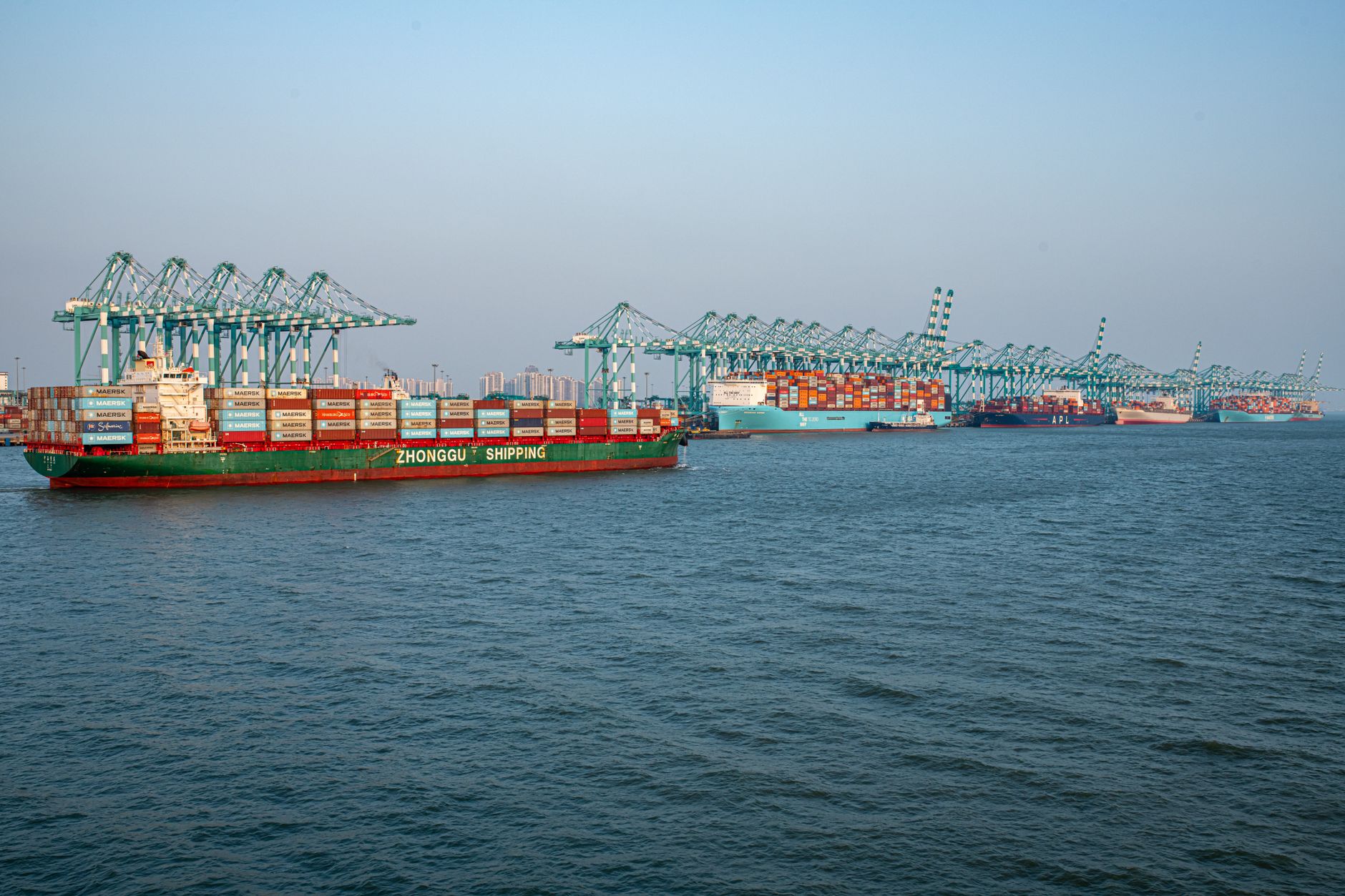
China’s trade data for July shows a sharp rise in exports, driven largely by global demand for artificial intelligence equipment and related tech products.
AI Demand Fuels Trade Surge
Official figures released on Friday indicate that shipments of computers and data processing components are up 45% year-on-year through the first seven months. Exports increased by 23.9% in July alone, according to the General Administration of Customs.
Export and import values remain raised, helped by soaring global demand for electronics and green tech products, as noted by Capital Economics’ Julian Evans-Pritchard. The data also shows China’s trade surplus reached $687 billion by the end of July, placing the country on pace for 2025.
Beijing has pushed for a more “balanced” trade development in recent months, a goal that could be tested by these figures. European officials have expressed concern that a flood of Chinese goods might squeeze out local manufacturers, despite Beijing’s claim that it never deliberately pursues a trade surplus.
The surge in exports stands out against a backdrop of weak domestic consumption indicators. Imports increased by 27.5% in July, though this was slower than the 36% surge seen in June. This growth has occurred even as the global trading system faces pressure from the war in the Middle East and ongoing trade frictions between Beijing and Washington.
Shipments to the United States rose 17% year-on-year last month. This brought China’s surplus with its superpower rival to nearly $171 billion by the end of July. The latest figures come days after a fresh flare-up in trade tensions between the two nations.
Related: Asian markets dip as Middle East tensions linger
Following sanctions imposed by Washington over forced labour and national security concerns, Beijing announced restrictions on drone exports to the United States and blacklisted six firms on Wednesday. China and the United States reached a truce last year when US President Donald Trump met Xi, but the relationship will undergo further scrutiny in coming weeks as officials prepare for a state visit by Xi to the United States in late September.
“I expect intense negotiations between China and (its) major trading partners in coming months on what can be done to make trade more balanced,” wrote Pinpoint Asset Management’s Zhiwei Zhang.
Chipmaker Investment Accelerates
South Korean memory chipmaker SK Hynix announced a massive investment plan on Friday to meet surging global demand for AI memory chips. The board approved 54.3 trillion won ($38 billion) in investments to build two new plants in South Korea.
Work on the two facilities is due to begin next year. One will focus on DRAM and high-bandwidth memory chips, while the other will produce NAND flash memory and enterprise solid-state drives (SSDs). The firm stated that global demand for DRAM and NAND memory chips is projected to grow at a compound annual growth rate of 19% over the next four years.
While the investment signals confidence in the AI sector, the broader market reflects a more cautious outlook. Asian stocks were mixed on Friday as optimism faded over a potential deal to reopen the Strait of Hormuz.
Analysts say the latest developments had traders questioning whether the week’s early gains were justified. They come ahead of the release of key US jobs data later in the day, which will be followed next week by consumer price figures. Clark Bellin at Bellwether Wealth noted that a jobs number that is not “too hot and not too cold” is needed for the market to keep grinding higher.


Leave a Reply