
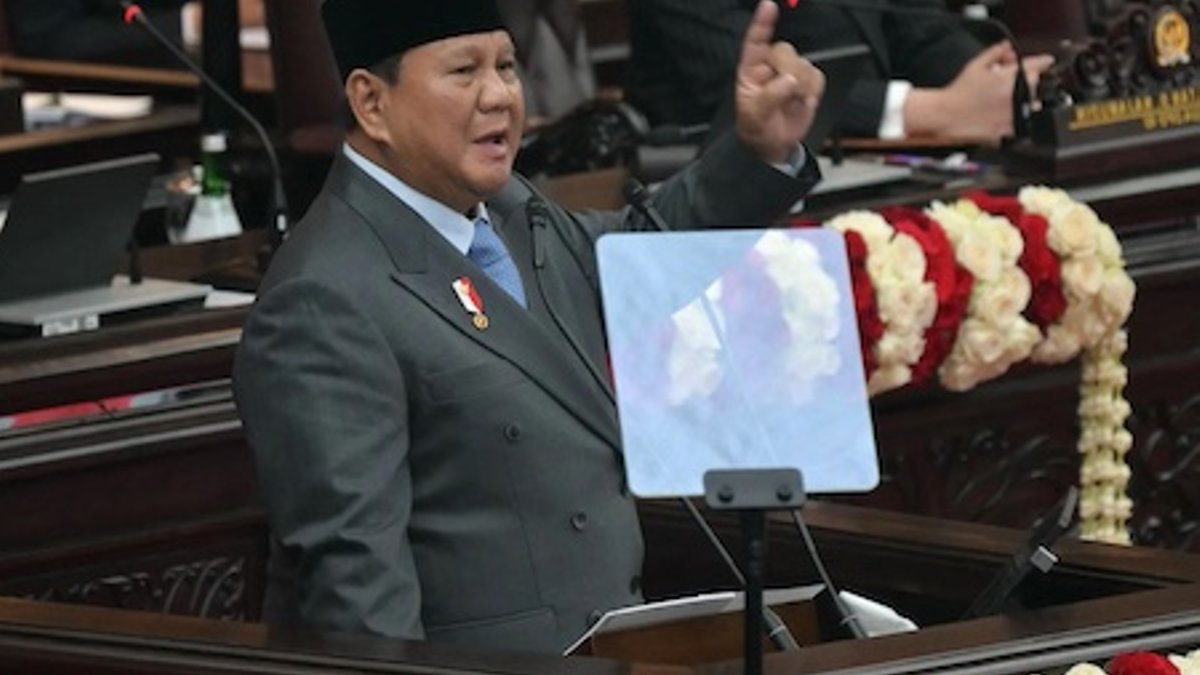
Indonesian President Prabowo Subianto announced plans to close over 750 state-owned enterprises by year’s end, describing the effort as the largest corporate restructuring globally. A review uncovered 1,074 such entities, far exceeding earlier estimates of 300 to 400.
During his annual address to parliament, Prabowo criticized the enterprises for lacking accountability and reporting losses while claiming false profits. He stated many operated without regard for national responsibility.
Hundreds of enterprises already closed
Of the 1,074 identified, 290 have been shut down since the review began. The government intends to reduce the total to 300 by December 31, keeping only those considered productive. The initiative has already saved about 50 trillion rupiah ($2.8 billion) in overhead costs, including salaries, office rentals, and travel expenses.
The savings target for the year exceeds 70 trillion rupiah. Profits among remaining enterprises rose more than 75 percent to 326 trillion rupiah last year due to “improvements” in management. These gains occur as economic pressures mount, including higher oil prices tied to Middle East tensions and rising living costs that have sparked protests.
Special court proposed to investigate mismanagement
To combat corruption, Prabowo proposed creating an ad hoc court to examine management and boards of state-owned enterprises, potentially reviewing cases from the past three decades. He suggested offering amnesty to cooperating individuals but provided no details on implementation.
Related: Air India mandates drug tests for all pilots
Indonesia scored 34 out of 100 on Transparency International’s 2025 Corruption Perceptions Index, highlighting ongoing graft concerns. Demonstrators have connected government inefficiency to economic struggles. Prabowo’s free school meals program, a signature policy, has drawn criticism for its expense, though he defended it as essential to address child stunting affecting one in four Indonesian children.
The president addressed doubts about official growth figures but predicted 6% expansion by late 2026. Second-quarter GDP grew 5.3%, following on 5.6% in the first. He emphasized the importance of creating added value for the people.
Economic outlook amid global uncertainty
Despite global instability, Prabowo maintained Indonesia’s food and energy supplies remained secure. The sovereign wealth fund Danantara, established last year, identified the scope of the state-owned enterprise problem, prompting the consolidation plan.
The move aligns with efforts to streamline government operations. While the administration frames it as necessary to cut waste, the impact on rural services remains uncertain.
The president’s announcement comes as Indonesia faces external pressures, including commodity price fluctuations. Fiscal discipline has been highlighted, but the restructuring’s success hinges on whether remaining enterprises fulfill the promise of value for citizens.


Leave a Reply